
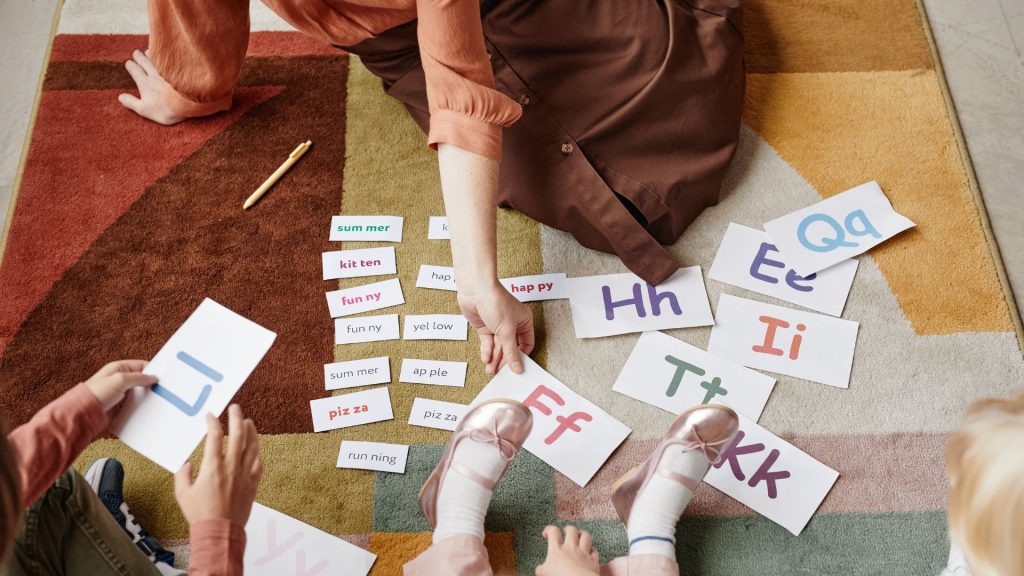
Teaching English as a non-native speaker is possible! I’ve done it online for over three years and taught students from around the world.

When I first started, I was very shy and nervous. I worried about explaining lessons to students who needed more time to understand. I wondered if being a non native speaker would hold me back.
But I loved the English language, had studied a bachelor’s degree in English, and was determined to try. And I’m so glad I did!
What Does It Mean to Be a Non Native English Speaker?
A non native English speaker is someone who did not grow up speaking English as their first language at home. English may be their second language, third, or even fourth language.
Filipinos are one example of non native English speakers. But the Philippines is still an English-speaking country.
But being a non native speaker doesn’t mean they’re bad at the language. Many of them are skilled, fluent, and confident in speaking English. Some study English in college or work in English-speaking jobs.
In my case, I’m not a native English speaker. But I have loved reading English books since I was young. It helped me build my confidence and communication skills.
In speaking or teaching English, your accent is not the most important thing. What matters most is your preparation for every lesson and your willingness to help your students learn.
Many non-native English speakers continue improving their communication skills through regular practice. Some teachers use tools like Rosetta Stone’s language learning program to strengthen pronunciation, listening, and conversational confidence.
My Beginning Journey in Teaching English
My teaching experience started pretty scary. I felt unsure if I was delivering my first English class well to my student. Other
My very first lesson was to teach basic English sentences to a young Chinese student. It was more overwhelming because his mother was in the background, listening. That experience taught me how to stay calm and be patient. It also reminded me of the importance of preparing for every lesson I give.
I learned that not being a native English speaker did not stop me from teaching well. What’s more important is my preparation and determination.
What I Learned About Different Online Teaching Companies
While teaching English to non-native speakers, I discovered that each company had its own lessons, rules, and style.
Here’s what I learned about these English teaching jobs:
- The schedule isn’t entirely free, even with time flexibility. You need to make sure your working hours align with the students’ availability. It’s important if you want to maximize your income.
- Training is different for every company. Some companies have training sessions for new teachers. Others don’t.
- Your teaching style will depend on the type of lesson. Some platforms provide you with specific materials. They have the lesson plan ready for you to follow. But others let you make your own lesson presentations. This gives you the freedom to decide how you do the class.
- Ratings and feedback are important. Some platforms check the attendance and reviews from students and parents. It’s a way to track the teacher’s performance. Also, new students may check this before they book a teacher. Maintain a good and clean record.
- Your earnings can depend on your experience. Beginners and first-time non native speakers in English usually earn less. But over time, your own rates can grow. Having clean records and good relationships with parents can help.
Mistakes I Made and Lessons Learned
I had my share of mistakes as a non native English teacher. But experiencing them taught me a lot of things. Here’s what helped me improve:
- Being gentle when correcting students. Aside from patience, gentleness is a great necessity when being a teacher. We don’t want to scare or hurt our students when they make a mistake. I always remind myself to be nice and friendly so they can easily understand what the correction is.
- Avoid talking all the time. Give your student some time to speak. It will help them learn how to explain themselves and practice the words you taught them.
- Having a translator ready. I always have this app open just in case. Some students might have a hard time communicating with their tutors during the lesson. The app will help you understand and be understood.
- Using props and rewards. Students, especially little kids and even young teens, don’t have a long attention span. To keep them interested in the lesson, I show them pictures of their favorite food, toys, or cartoon characters. I do this as a reward every time they get an answer right. So dig up your resources to find anything to make your students happy.
- Check my background and lighting. If the view behind you is too messy or too empty, your students can be distracted. Make sure it’s just right. If you can’t fix it physically, try using virtual backgrounds. Also, check if the light source is in front of you. Your students need to see you clearly.
- Resting when I can to have energy during class. Some classes can be consecutive and tiring. It will exhaust you if you don’t have enough time to rest.
- Not overestimating myself. I’ve let it happen once and risked presenting my lesson wrong. So I always prepare, even for the most basic lessons.
Why Teaching English as a Non Native Speaker is Rewarding
Getting to teach students while also growing as a teacher is rewarding. The experiences you share with them are blessings beyond what money can buy.
Over the years, I’ve met and taught many students from the Philippines, Korea, Russia, Thailand, China, and most of all, Japan. I’ve enjoyed casual conversation while helping them learn English. I’ve exchanged stories with them at every lesson. And to watch them improve and apply what they’ve learned is very inspiring.
For me, this work is not just a job to support my family. It’s a great reminder that non native English teachers like me can make a difference.
Platforms for Digital Nomads and Non Native English Speakers
Here are some of the best platforms to start as a non native speaker and a digital nomad:
- Engoo – Short lessons for global students, perfect for beginners.
- Cambly – Casual conversation practice, beginner-friendly.
- Qkids – Fun, interactive lessons for young learners; training included.
- iTalki – Flexible hours, students worldwide, create your own lessons.
- VIPKid – Structured curriculum for kids (requires TEFL).
- Preply – Focus on long-term students and repeat bookings.
- AmazingTalker – One-on-one lessons with flexible scheduling.
Tip: Aside from a demo class, some platforms will ask for other requirements. A TEFL certificate is usually one of them. Take a TEFL course when you can to be more qualified.
Friendly Countries for Non Native English Teachers
Some countries are friendly to non native English teachers who want to teach abroad. Here are a few:
- China – Large student base, competitive pay.
- Japan – Casual conversation lessons and online classes available.
- Mexico – Growing need for English teachers; affordable lifestyle.
- Philippines – Teach online globally while living locally or traveling.
- South Korea – Strong ESL programs, both online and in-person.
- Thailand – Popular for teaching abroad; good cost of living.
- Vietnam – High demand, affordable living, great culture.
Tip: Online teaching allows full mobility for digital nomads. But check visa requirements for in-person teaching.
Advice and Tips for New Teachers
If you’re going to start your journey as one of the non-native English teachers, take note:
- Always prepare your lessons.
- Be kind and patient with your students and yourself.
- Creatively engage with props and rewards.
- Dress your background or “classroom” well.
- Encourage student talk time.
Professionalism isn’t just about having a neutral accent or meeting students’ preferences. It’s also understanding linguistics and respecting each learner’s native language.
Take the First Step!
Are you thinking of trying it? Teaching English, even for the most qualified teachers, is already challenging. How much more so for non-native teachers? Recruiters and English natives can make you feel overwhelmed. But you don’t need to worry. It will be rewarding and inspiring.
My journey has taught me so much. I’ve learned to be prepared, patient, and open to many experiences. Now, it’s your turn.
So go for it. Take the first step. You’ll not only help others. You’ll also grow in ways you didn’t think possible!
FAQs
Yes, absolutely! Many non native speakers teach English online successfully. You just need to prepare well.
Yes. Most of the time, companies ask for it. I would recommend you get one. It boosts credibility and helps you get more students.
You only need a laptop, stable internet, webcam, and a headset with a microphone.
You can start teaching within weeks if you complete a certificate and set up your teaching profile.