
What happens after an earthquake or typhoon hits the Philippines? The power’s out. The internet’s down. Clean water is lost. And all of that can happen in a matter of minutes. That’s why preparing a reliable emergency kit that Philippine residents can depend on is very important!

For any traveler, having the right kit is not just a safety precaution. It also helps you stay connected and online.
This guide shows you how to make the best emergency kit with all the essentials you will need. We share modern gears that will be especially good for remote workers. They can stay online and work amidst storms, floods, and blackouts.
Why an Emergency Kit Matters in the Philippines
It’s important to have an emergency kit handy because it will help you:
- Keep working without electricity
- Protect and save important files
- Stay connected with your family
- Make sure you have food and water
- Be ready with first aid for minor injuries
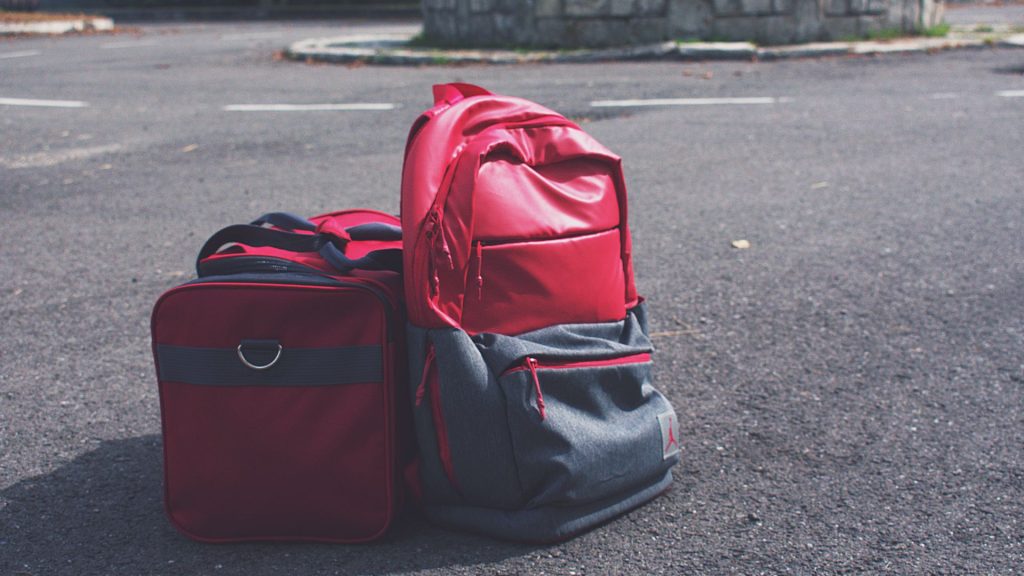
If you’re traveling in the Philippines for more than 1 month, it’s a good idea to prepare a Go Bag as well. Whether you’re staying in an Airbnb or working remotely, having a ready-to-go bag makes it easier to evacuate quickly during typhoons or earthquakes.
What Should Be Inside the Go Bag
A Go Bag is a kit that has everything needed to survive during a disaster. In the Philippines, disaster preparedness often starts with preparing this bag. So every home should have one!
Government agencies like NDRRMC and Red Cross recommend that every home prepare a kit. Store your emergency items in this bag so you can use them anytime they’re needed.
The following items in your Go Bag should last at least 72 hours:
- Copies of important documents
- Ready-to-eat food
- Water for drinking
- First aid materials
- Extra clothes
- Power bank
- Flashlight
- Blanket
- Money
Keep the bag near the door so you can grab it easily during evacuation.
Best Emergency Kit Checklist
Think you have enough supplies? It helps to have a checklist when packing your emergency kit. It’s confusing what’s important and what’s not. Use this to make sure you have everything you’ll need:
Water and Food
☐ Drinking water (9 liters should be good for 3 days)
☐ Ready-to-eat food (noodle packs, oatmeal, and canned goods)
☐ Snacks for quick eating (crackers, energy bars, and even peanuts)
This supply should get you through with enough nutrition for a few days.
PS: Make sure to pack a can opener for your canned food.
First Aid and Health Supplies
☐ Basic first aid kit with bandages and gauze
☐ Allergy medicine (if you have allergies)
☐ Antiseptic wipes or alcohol
☐ Prescription medications
☐ Medicine for fever
☐ Pain relievers
☐ Medical tape
These will help with minor injuries until you can call for better medical help.
PS: Don’t forget to pack small scissors to cut the medical tape with!
Lighting and Power
☐ Portable power bank or solar charger
☐ Head lamp for hands-free lighting
☐ Rechargeable light or lantern
☐ Portable internet device
☐ Extra batteries
☐ LED flashlight
These tools will help you stay safe and communicate during power outages.
Personal Care & Protection
☐ Toothbrush and toothpaste
☐ Extra shirt and underwear
☐ Lightweight rain jacket
☐ Emergency blanket
☐ Hygiene products
☐ Hand sanitizer
☐ Tissue paper
☐ Face masks
☐ Wet wipes
These items help maintain hygiene and protect you from weather changes.
Communication and Updates
☐ Hand-crank or battery-powered type of radio
☐ A list of emergency contacts
☐ Charging cables for gadgets
It helps get weather updates and news. It also helps contact any member of your family when the internet is down.
Important Files or Documents
☐ Government documents (like a birth certificate)
☐ Passports and ID copies
☐ Insurance documents
☐ Emergency contacts
☐ Emergency cash
PS: Store these items in a waterproof pouch or sealed plastic bag.
Tip: Store your checklist inside your kit so you can quickly review it every six months.

Specific High ROI Emergency Gear for Digital Nomads
Online workers have special needs. They have to get work done online, which means they need power and electricity. If those suddenly become unavailable, they need to be ready.
EcoFlow Delta 3 Ultra Plus Portable Power Station
This EcoFlow portable power station is one of the most powerful disaster preparedness tools available. It costs over $3,000. So it’s expensive. But having this item ensures a good online work setup even during storms.
Benefits for nomads:
- Helpful during long blackouts
- Large battery capacity
- Powers laptops and appliances
Garmin inReach Mini 3 Plus Satellite Communicator
While the network is down, the Garmin inReach mini 3 Plus will help you send messages. It costs around $500.
Benefits for nomads:
- Satellite messaging
- SOS rescue alerts
- Reliable communication in remote areas
Starlink Mini Portable Satellite Internet
Aside from the cell service, the internet can also be a problem. But the Starlink satellite internet allows online workers to stay online. You can get the internet you need anytime.
Benefits for nomads:
- Works without local internet providers
- Reliable during disasters
- Portable remote work solution
Grayl GeoPress Ti Water Purifier
This water purifier helps clean the water you find so you can use it. A good water source can be difficult to find. Most of it can get contaminated during a disaster.
Benefits for nomads:
- Advanced purification technology
- Durable titanium design
- Safe drinking water from many sources
Jackery SolarSaga 200W Portable Solar Panels
The Jackery SolarSaga 200W portable solar panels are very important to have. It’s not just a backup power. It can be a nomad’s only source of electricity. Also, it’s helpful during travels because you won’t need to look for wall outlets!
Benefits for nomads:
- Useful during extended power outages
- Portable solar charging
- Compatible with power stations
Emergency Gear for Digital Nomads
| Gear | Main Benefit | Best For |
| Portable power station | Backup power | Long blackouts |
| Satellite communicator | Emergency messaging | Remote locations |
| Portable satellite internet | Good connectivity | Remote work |
| Water purifier | Safe drinking water | Flood situations |
| Solar panels | Renewable power | Long power outages |
Budget Emergency Kit vs Advanced Emergency Kit
You don’t need to spend a lot on good emergency equipment. Here’s the difference between the two types:
Budget Emergency Kit
This kit costs ₱1,000 to ₱2,000. It has the following:
- Canned goods
- Water
- First aid kit
- Flashlight
- Power bank
Advanced Emergency Kit
This kit can be a bit more expensive. It includes items digital nomads should invest in:
- Satellite communication devices
- Solar charging equipment
- Portable power stations

Where to Store Your Emergency Kit at Home
Of course, you need to make sure that your kit is easy to grab anytime it’s needed. It’s best to put it somewhere with quick access:
- Inside a waterproof container
- Inside a travel backpack
- Under a desk or cabinet
- Near the main door
Steps to Build Your Emergency Kit
Preparing your kit is easy. Just follow these steps:
- Choose a good bag. Use a waterproof backpack or travel bag.
- Pack the supplies you’ll need. Store your canned food, water, flashlight, first aid kit, and other important items in the bag.
- Add technology tools. You’ll need a communicator and a portable solar power station.
- Add personal needs. Pack clothing and medicine.
- Store the kit in a reachable place. Keep the kit where you can grab it quickly.
- Check the kit every six months. The food and water might need to be replaced. Also, test the batteries to make sure they still work.
Emergency Contacts in the Philippines
Here are the key emergency contacts you might need. Have them saved in your phone:
- 911 – National Emergency Hotline
- 143 – Philippine Red Cross
- Your Local Barangay Disaster Risk Reduction Office
Safety Tips During Common Disasters
Typhoon Safety Tips
- Store water
- Charge your gadgets
- Stay away from flood areas
- Take note of evacuation instructions
Earthquake Safety Tips
- Use the “duck, cover, and hold” method
- Back away from anything made of glass
- When shaking stops, go to open areas to be safe
Time to Make Your Emergency Kit
The Philippines encounters many natural disasters from time to time. Digital nomads or not, an emergency kit is very important to have. Online work will depend on safety, internet, and electricity.
Be ready for anything. Keep your future protected. This simple setup can make a huge difference!
FAQs
An emergency kit should have the basics. It should have water, food, and other important supplies. See the checklist above for a more detailed list.
Your supplies should last for at least 72 hours.
Yes, of course! Digital nomads need power and the internet for work. Emergency gear can keep them connected even during disasters.
The most important item in your kit is clean drinking water. It’s the hardest one to find during emergencies.